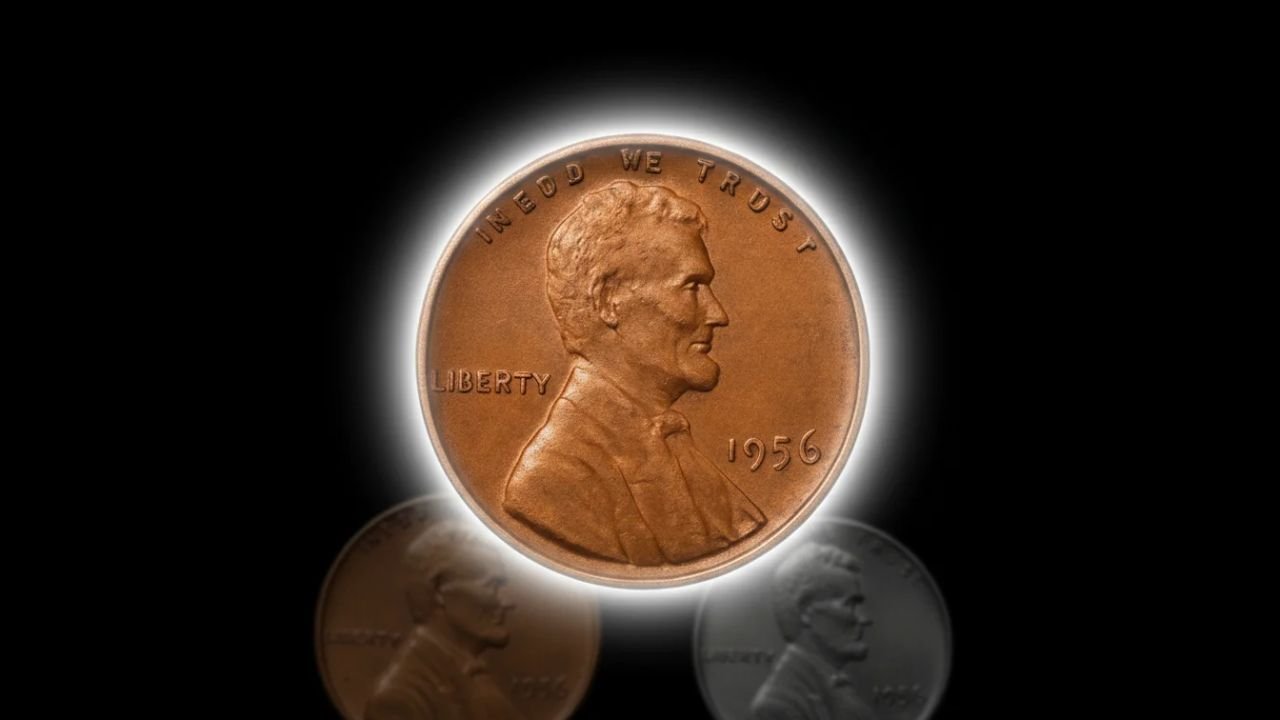

For over a century, Wheat Pennies have captured the imagination of coin collectors, historians, and everyday Americans alike. These humble one-cent coins, officially known as Lincoln Wheat Cents, hold more than just monetary worth—they embody fragments of American history, patriotism, and craftsmanship.
In the last ten years, the value of Wheat Pennies has climbed steadily, driven by nostalgia, social media buzz, and a new generation of collectors rediscovering the charm of vintage currency. Whether you’re an experienced numismatist or someone who just found an old penny in a jar, this detailed guide will help you understand why Wheat Pennies are more valuable now than ever before.
What Are Wheat Pennies? A Quick Historical Look
The Wheat Penny (or Lincoln Wheat Cent) first appeared in 1909 to commemorate the 100th birthday of President Abraham Lincoln. Designed by sculptor Victor David Brenner, it was the first U.S. coin to feature a real person’s image.
The obverse (front) showcases Lincoln’s profile, while the reverse (back) features two wheat stalks—symbolizing prosperity and America’s agricultural strength. This design remained in production until 1958 when it was replaced by the Lincoln Memorial design.
Made from 95% copper and 5% tin and zinc, early Wheat Pennies are known for their durability and warm reddish-brown glow. Collectors often refer to them affectionately as “Wheat Backs” due to their distinctive reverse design. Each coin represents not just a cent in currency but a century of American spirit and resilience.
The Rise in Wheat Penny Value (2015–2025)
Between 2015 and 2025, Wheat Pennies have seen a notable increase in demand and market value. While many are still worth only a few cents, rare varieties and uncirculated examples have skyrocketed in price due to limited availability and collector enthusiasm.
Here’s a decade-long view of their average market performance:
| Year | Circulated Value | Uncirculated Value | Rare Varieties (1909-S VDB, 1955 Double Die, etc.) | Market Trend |
|---|---|---|---|---|
| 2015 | $0.05 – $0.25 | $1 – $3 | $300 – $1,500 | Stable |
| 2017 | $0.10 – $0.50 | $2 – $5 | $400 – $2,000 | Growing interest |
| 2019 | $0.15 – $0.60 | $3 – $7 | $500 – $2,500 | Expansion online |
| 2021 | $0.20 – $0.75 | $4 – $10 | $600 – $3,000 | Auction boom |
| 2023 | $0.25 – $1.00 | $5 – $12 | $700 – $3,500 | Grading surge |
| 2025 | $0.30 – $1.50 | $6 – $15 | $800 – $5,000+ | Young collector resurgence |
While the common Wheat Pennies saw moderate growth, rare coins like the 1909-S VDB and 1955 Double Die witnessed remarkable price spikes, driven by online marketplaces and collector awareness.
Why Wheat Pennies Have Gained So Much Value
Several factors have contributed to the modern rise in the Wheat Pennies market:
1. Digital Revolution and Online Communities
Social media and digital platforms like Reddit, YouTube, and CoinTalk have turned collecting into a global trend. Viral videos showcasing “rare Wheat Pennies worth thousands” have inspired countless Americans to check their change jars again.
2. Nostalgia and Patriotism
The Lincoln design evokes a deep sense of pride and nostalgia. For older generations, Wheat Pennies recall memories of childhood trading, while for younger ones, they represent tangible links to America’s past.
3. Educational Awareness
New collectors are far more informed. They know how to identify mint errors, rare dates, and variations like the 1922 No D, 1914-D, and the 1931-S—each commanding premium prices.
4. Economic Uncertainty
When markets fluctuate, tangible collectibles like coins offer a sense of stability. Many Americans view vintage coins as “micro-investments” with long-term value retention.
5. Family Discoveries
Heirloom coin jars and inherited collections have introduced countless people to numismatics, making Wheat Pennies a family tradition once again.
Also Read – Toyota RAV4 2025: The Perfect Hybrid SUV for Modern India – Power, Luxury, and Unmatched Efficiency
Iconic Wheat Pennies Every Collector Should Know
| Year | Mint Mark | Description | Estimated 2025 Value | Special Note |
|---|---|---|---|---|
| 1909-S VDB | San Francisco | First-year issue with designer’s initials | $1,000 – $5,000+ | Only 484,000 minted |
| 1914-D | Denver | Low mintage; often counterfeited | $200 – $2,500 | One of the most faked coins |
| 1922 No D | Denver | Missing mint mark error | $500 – $3,000 | Unique die flaw |
| 1931-S | San Francisco | Final low-mintage year | $100 – $600 | Rising in value |
| 1955 Double Die | Philadelphia | Double-stamped lettering | $1,000 – $10,000+ | Most famous error coin |
Each of these Wheat Pennies tells a story—from early minting struggles to accidental errors that made history.
Grading Wheat Pennies: The True Key to Value
Condition is everything in coin collecting. The grading system ranges from Good (G-4) to Mint State (MS-70), and just a small difference can multiply a coin’s value exponentially.
-
Good (G-4): Well-worn but details visible.
-
Fine (F-12): Moderate wear, clear date and lettering.
-
Extremely Fine (EF-40): Light wear with strong design details.
-
About Uncirculated (AU-50): Nearly mint, minor signs of handling.
-
Mint State (MS-60 to MS-70): Perfect condition, no scratches or wear.
For instance, a 1914-D graded “Fine” might fetch $250, while one graded “Mint State” can exceed $2,000.
Professional grading services such as PCGS (Professional Coin Grading Service) and NGC (Numismatic Guaranty Company) offer authentication and certification that significantly increase a coin’s resale value.
The Digital Age of Coin Collecting
Technology has completely transformed how collectors find and value Wheat Pennies.
Platforms like eBay, Heritage Auctions, and Stack’s Bowers have made buying and selling more accessible than ever. Even smartphone apps like CoinSnap and PCGS Photograde let users identify, photograph, and estimate a coin’s value instantly.
AI-based tools are also entering the scene—scanning coins for microscopic details to detect counterfeits or grade authenticity with unmatched precision. For modern collectors, this digital integration makes collecting not only easier but also safer.
Emotional and Historical Value
Beyond monetary worth, Wheat Pennies carry emotional and historical significance. Each coin represents a chapter of American life—spanning wars, recessions, and technological revolutions.
Holding a 1918 Wheat Penny, for instance, is like holding a piece of history that may have passed through a soldier’s hands during World War I. Collectors often describe the feeling as “touching time itself.”
Families pass down these coins as heirlooms, teachers use them in classrooms to discuss inflation, and historians see them as miniature monuments to the American spirit.
Common Mistakes to Avoid When Collecting Wheat Pennies
-
Never Clean Your Coins: Cleaning removes natural toning, dramatically reducing their value.
-
Beware of Counterfeits: Popular coins like the 1909-S VDB and 1914-D are often replicated.
-
Use Proper Storage: Keep coins in PVC-free holders or airtight capsules to avoid corrosion.
-
Stay Updated: Check real-time auction results before buying or selling to ensure fair pricing.
Avoiding these pitfalls can help protect your collection’s integrity and value for generations to come.
Coins as Investments – The Bigger Picture
Coin collecting has evolved into a serious form of investment. In 2024, U.S. coin auction sales exceeded $600 million, with Wheat Pennies making up a sizable share of that figure.
Some rare coins have even outperformed traditional investment assets like gold and silver. As more Millennials and Gen Z collectors enter the hobby, the demand for certified and graded Wheat Pennies continues to rise.
Experts suggest that early-year issues (1909–1930) and error coins will remain top performers for at least another decade.
How to Check the Value of Your Wheat Pennies
Here’s how you can quickly assess your collection’s worth:
-
Look at the date and mint mark below Lincoln’s shoulder.
-
Inspect for minting errors like double dies, misstrikes, or missing marks.
-
Compare condition using grading charts or apps.
-
Refer to PCGS or NGC price guides for current market values.
-
For rare coins, consider professional certification before selling.
Even a few minutes of research can reveal hidden treasures hiding in your coin jar.
Why Wheat Pennies Still Matter
At their core, Wheat Pennies are more than collectible copper discs—they are timeless storytellers. Each coin whispers tales of America’s growth, unity, and resilience.
For collectors, these coins are bridges between generations. For investors, they’re tangible assets that appreciate over time. And for history lovers, they’re small windows into the everyday lives of people who came before us.
Looking Ahead: The Future of Wheat Pennies
The next decade looks bright for Wheat Pennies. Analysts predict growing value for pre-1920 issues and continued interest from young collectors. As technology advances, blockchain verification and AI grading will likely make collecting more transparent and accessible to all.
Some experts even foresee a future where high-value coins are fractionally traded—allowing enthusiasts to own a small share of rare collectibles.
Final Thoughts
The Wheat Penny stands as a symbol of America’s enduring legacy — a simple coin that turned into a national treasure. Whether you collect them for profit or passion, these pennies prove that even the smallest pieces of history can hold immeasurable worth.
So, the next time you find an old penny with two wheat stalks on the back, take a closer look. You might just be holding a piece of America’s story — and possibly a hidden copper gem waiting to shine again.
2026 Dodge RAM 2500: A Heavy-Duty Beast with Power, Luxury, and Cutting-Edge Technology
Some Important Link
| Download News APP | Click Here |
| WhatsApp Group | Click Here |
| Home Page | Click Here |